..Concussions..............................................................................................
..Andela & Ena.....
Archive
Infographic
<<Exit>>
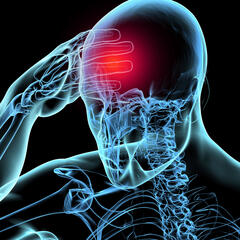
image: https://instiks.com/concussion-symptoms-causes-risk-factors-and-complications/
Symptoms
Concussion symptoms may appear immediately following a head injury or may take hours to days to develop. They may consist of:headache\confusion, dizziness and altered vision, nausea and/or vomiting, difficulty moving around and speaking, forgetting the injury, forgetting before or after the injury or feeling sleepy.
Moreover, a person with a concussion may experience difficulties with concentration or learning, sleep issues, anxiety, or sadness.Concussions can occur after a person has been knocked out (lost consciousness) due to a head injury, but they can also occur without being knocked out.
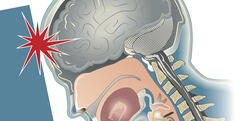
Image: https://www.mediclinicinfohub.co.za/concussion-just-bump-head/
Treatment: Physical and cognitive rest: This involves limiting physical activity, such as sports or exercise, as well as cognitive activity, such as reading or using electronics, to allow the brain to heal.Medications: Over-the-counter pain relievers such as acetaminophen or ibuprofen may be used to alleviate headaches or other mild symptoms. However, avoid aspirin, as it can increase the risk of bleeding.Cognitive and physical therapy: These therapies can help manage symptoms such as headaches, dizziness, and balance problems.Sleep management: Sleep disturbances are common after a concussion. Your doctor may recommend strategies to help you sleep better, such as avoiding caffeine and establishing a regular sleep routine.
..Possible long term health consequences:.. Cognitive deficits: Concussions can cause a range of cognitive deficits, such as difficulties with attention, memory, and executive functioning. These deficits can affect a person's ability to learn, work, and carry out daily activities.Post-concussion syndrome: Some people experience symptoms such as headaches, dizziness, and fatigue for weeks or months after a concussion, a condition known as post-concussion syndrome.Chronic traumatic encephalopathy (CTE): CTE is a neurodegenerative disease that has been linked to repeated head trauma, including concussions. It can cause symptoms such as memory loss, confusion, and mood changes, and can progress over time.Emotional and behavioral changes: Concussions can also cause emotional and behavioral changes, such as depression, anxiety, and irritability.
| ㅤ |
|---|
| ..PREVENTION:.. Wear appropriate protective equipment: Wearing a helmet or other protective gear designed for your specific sport can help reduce the risk of head injuries and concussions. Make sure your equipment is properly fitted and maintained. |
Follow the rules: Abiding by the rules of the sport can help reduce the risk of collisions and other situations that can lead to head injuries.
Practice safe playing techniques: Coaches should teach players proper techniques for tackling, heading the ball, and other actions that can put players at risk for concussions. Encourage players to avoid leading with their head and instead use proper form to minimize the risk of head-to-head contact.
Be aware of your surroundings: Be mindful of other players on the field and be aware of any obstacles or hazards that could cause a collision.
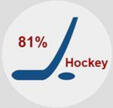
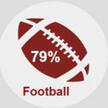

Image: https://angusreid.org/concussion-in-sport/